---
title: How Horses Build Emotional Connections with Their Riders
description: "Discover how horses build emotional connections with their riders through trust, communication, and advanced techniques that enhance mutual understanding and bonding.\n\n===\nMain Point Summary:\nThe blog explores how horses develop deep emotional connections with their riders through a combination of neurobiological mechanisms, effective communication patterns, consistent leadership, and advanced bonding techniques, emphasizing the importance of trust, empathy, and mutual respect in the horse-human relationship."
image: https://maneandrein.com/hubfs/Horse%20human%20bond%20ManeAndRein.jpg
---
[Skip to content](https://maneandrein.com/stablethoughts/how-horses-build-emotional-connections-with-their-riders#main-content)
[](https://maneandrein.com/)
- [Blog](https://maneandrein.com/stablethoughts)
- [MANE Picks!](https://maneandrein.com/mane-picks-trusted-tack-and-tools)
Open main navigation
Close main navigation
- [Blog](https://maneandrein.com/stablethoughts)
- [MANE Picks!](https://maneandrein.com/mane-picks-trusted-tack-and-tools)
- [Contact us](https://maneandrein.com/contact)
[Contact us](https://maneandrein.com/contact)
[mailto:email@email.com](mailto:email@email.com)
- [Blog](https://maneandrein.com/stablethoughts)
- [MANE Picks!](https://maneandrein.com/mane-picks-trusted-tack-and-tools)
Open main navigation
Close main navigation
- [Blog](https://maneandrein.com/stablethoughts)
- [MANE Picks!](https://maneandrein.com/mane-picks-trusted-tack-and-tools)
- [Contact us](https://maneandrein.com/contact)
[Contact us](https://maneandrein.com/contact)
[All posts](https://maneandrein.com/stablethoughts/all)
December 10, 2025
# How Horses Build Emotional Connections with Their Riders
 By [ManeAndRein Equestrian, LLC](https://maneandrein.com/stablethoughts/author/maneandrein-equestrian-llc) · 11 minute read
##### The moment Sarah walked into the barn that Tuesday morning, her mare Duchess lifted her head from the hay net and nickered softly—not the demanding call for breakfast, but the gentle greeting reserved for someone special. After three years together, this subtle communication spoke volumes about the emotional bond they'd cultivated. This wasn't mere conditioning or learned behavior; it was the manifestation of a genuine emotional connection that transcends the typical predator-prey relationship between humans and horses.
The horse-human bond represents one of nature's most remarkable interspecies relationships. Unlike dogs, which evolved alongside humans for thousands of years,
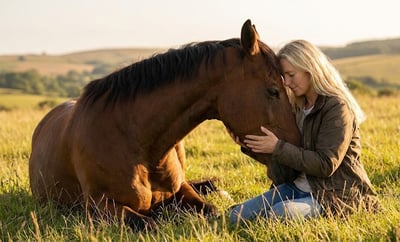horses entered our lives as prey animals with every instinct telling them to flee from bipedal predators. Yet somehow, these magnificent creatures have learned not just to tolerate our presence, but to form deep, meaningful emotional connections that can span decades. Understanding how these bonds develop—and more importantly, how we can nurture them—is fundamental to becoming truly accomplished equestrians.
Modern equine science has revealed that horses possess sophisticated emotional intelligence, capable of reading human micro-expressions, responding to our emotional states, and forming lasting memories associated with specific individuals. They can distinguish between hundreds of human faces, remember positive and negative interactions for years, and even demonstrate what researchers call "emotional contagion"—the ability to mirror and respond to human emotions in real-time.
## The Neurobiological Foundation of Equine Bonding
The foundation of horse-rider emotional connections lies in the neurobiological mechanisms that govern equine social behavior and learning. Horses possess a highly developed limbic system—the brain's emotional processing center—which enables them to form complex emotional memories and associations. The hippocampus, crucial for memory formation, works in conjunction with the amygdala to create lasting emotional imprints tied to specific individuals, locations, and experiences.
Recent research has identified the role of oxytocin, often called the "bonding hormone," in horse-human relationships. When horses engage in positive interactions with their riders—gentle grooming, calm training sessions, or quiet moments together—both species experience increased oxytocin production. This neurochemical response creates a feedback loop that reinforces the emotional connection and encourages further bonding behaviors.
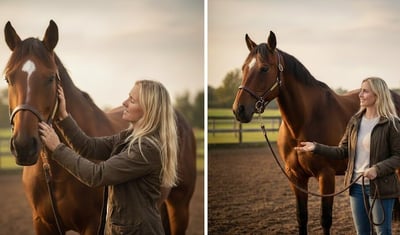
The equine mirror neuron system, similar to that found in primates, allows horses to interpret and respond to human intentions and emotions. These specialized neurons fire both when a horse performs an action and when they observe a human performing a similar action, creating the neurological basis for empathy and emotional synchronization. This system explains why sensitive horses often seem to "know" their rider's mood before any obvious signals are given.
Understanding these biological mechanisms helps explain why some horses form instant connections with certain individuals while remaining aloof with others. Horses are constantly processing subtle cues—heart rate variations, pheromone changes, micro-movements, and vocal tones—that indicate a human's emotional state and intentions. Riders who maintain calm, consistent emotional states provide the neurological stability that horses crave for secure attachment formation.
**Expert Tip:** Practice emotional regulation before entering your horse's space. Horses detect elevated cortisol levels and irregular heart rhythms from up to six feet away, which can prevent bonding opportunities before they begin.
## Communication Patterns That Build Trust
Effective communication forms the cornerstone of emotional connection between horses and riders. Unlike human communication, which relies heavily on verbal language, horse-human communication operates primarily through body language, energy, and consistent behavioral patterns. Horses communicate through a sophisticated system of ear positions, eye expressions, body posture, and movement patterns that convey specific emotional states and intentions.
The most successful riders develop what equine behaviorists call "conversational riding"—a two-way communication system where both horse and rider continuously exchange information. This involves learning to read subtle equine signals: the slight tension in the poll that indicates confusion, the soft eye that signals relaxation, or the barely perceptible shift in weight that precedes a movement. Equally important is developing consistent human signals that horses can reliably interpret and respond to. 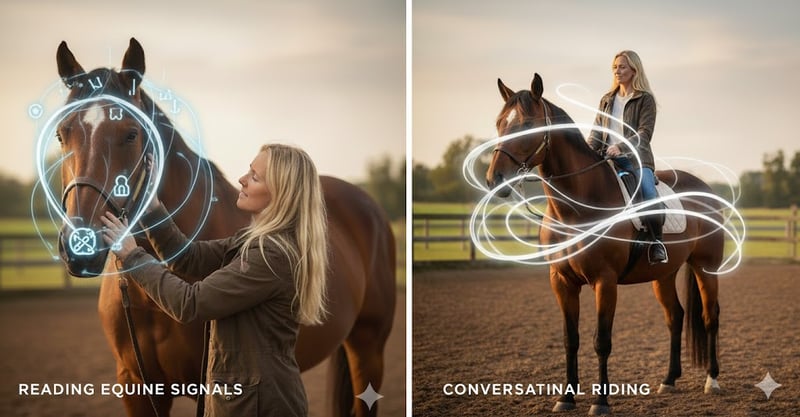
Breathing patterns play a crucial role in horse-rider communication. Horses naturally synchronize their breathing with calm, confident handlers, creating a physiological connection that promotes emotional bonding. Experienced riders use deliberate breathing techniques to influence their horse's emotional state—slow, deep breaths to encourage relaxation, or controlled exhales to signal transitions between gaits or exercises.
Voice tone and rhythm matter more than specific words when communicating with horses. Horses respond to the emotional content carried in vocal patterns rather than linguistic meaning. A low, steady tone conveys confidence and calm, while higher pitches or irregular rhythms can create anxiety. Many successful trainers develop a "horse voice"—a specific tonal quality reserved for equine interactions that becomes a powerful bonding tool.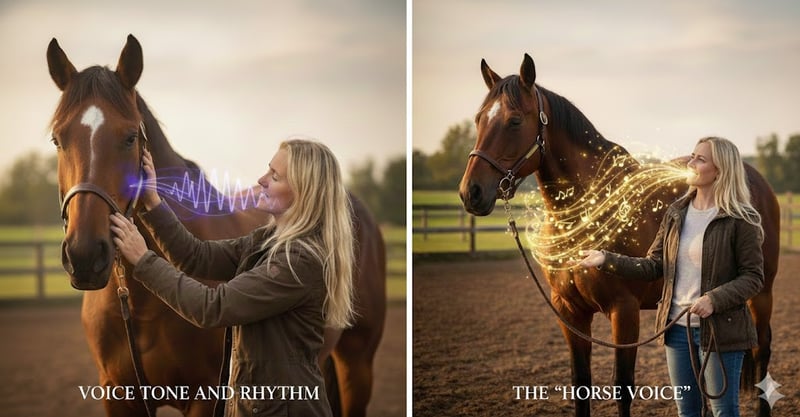
Physical touch serves as perhaps the most direct form of horse-human communication. Horses have highly sensitive skin with specialized nerve endings that can detect the slightest pressure variations. Learning to use touch as communication—firm pressure for boundaries, gentle stroking for comfort, rhythmic patting for praise—creates a tactile language that deepens emotional connections. The key lies in reading the horse's response and adjusting accordingly, creating a dialogue rather than a monologue.
**Expert Tip:** Develop a personal greeting ritual with your horse that includes consistent visual, auditory, and tactile elements. Horses form strong positive associations with predictable, pleasant routines that signal your unique relationship.
## The Role of Consistent Leadership and Boundaries
Emotional connection with horses requires a delicate balance between partnership and leadership. Horses are naturally hierarchical animals that seek clear, consistent guidance from their human partners. However, effective equine leadership differs significantly from dominance-based approaches that can damage emotional bonds. True leadership in horse-human relationships is built on trust, consistency, and the horse's willing acceptance of human guidance.
Establishing healthy boundaries creates emotional security for horses by providing predictable structure within the relationship. Horses feel safest when they understand the rules and expectations, knowing that their human partner will provide fair, consistent guidance. This doesn't mean rigid control, but rather clear communication about acceptable behaviors and consistent responses to boundary testing. Horses often test boundaries not out of defiance, but to confirm that their human partner is capable of providing reliable leadership.
The concept of "earned leadership" is crucial for building lasting emotional connections. Horses don't automatically respect human authority; leadership must be demonstrated through competent, fair decision-making that prioritizes the horse's wellbeing. This involves making decisions that sometimes override the horse's immediate preferences for their long-term benefit—such as insisting on veterinary care or maintaining training schedules during challenging weather.
Consistency in leadership extends beyond training sessions to encompass all interactions with the horse. Horses have exceptional memories for human behavior patterns and quickly identify inconsistencies that can erode trust. A rider who is calm and patient during good days but becomes harsh or impatient during stressful periods will struggle to build deep emotional connections. Horses need to know that their human partner's leadership style remains stable regardless of external circumstances.
Effective leaders also recognize when to step back and allow horses to make choices within safe parameters. This collaborative approach acknowledges the horse's intelligence and autonomy while maintaining necessary safety boundaries. Horses that feel they have some agency within the relationship are more likely to offer genuine partnership rather than mere compliance.
**Expert Tip:** Practice the "three-second rule" when correcting unwanted behaviors. Wait three seconds after the behavior stops before offering positive reinforcement, allowing the horse to process the correction and make the conscious choice to comply.
### Case Study: Building Trust After Trauma
Consider the case of Thunder, a seven-year-old Thoroughbred gelding who arrived at a therapeutic riding center with severe trust issues following neglect and harsh training methods. Initially, Thunder would pin his ears and turn his hindquarters toward anyone who approached, displaying classic defensive behaviors. Working with experienced trainer Maria Santos, Thunder's rehabilitation focused on rebuilding positive associations with human contact through patient, consistent interactions that respected his emotional boundaries while gradually expanding his comfort zone.
## Environmental Factors That Enhance Bonding
The physical environment plays a crucial role in facilitating emotional connections between horses and riders. Horses are highly sensitive to environmental stressors that can inhibit bonding behaviors, including excessive noise, chaotic activity, poor lighting, and inadequate ventilation. Creating spaces that promote calm, focused interactions significantly enhances opportunities for emotional connection development.
Lighting conditions affect both horse behavior and human-equine interactions. Natural lighting or full-spectrum artificial lighting helps regulate equine circadian rhythms and promotes calmer, more receptive behavior. Harsh fluorescent lighting or dramatic shadows can create anxiety that interferes with bonding activities. Many successful training facilities invest in quality lighting systems that create consistent, comfortable visual environments for both horses and humans.
Acoustic environments matter tremendously for sensitive horses. Sudden loud noises, mechanical sounds, or chaotic human activity can trigger stress responses that make emotional connection difficult. Successful bonding often occurs in quieter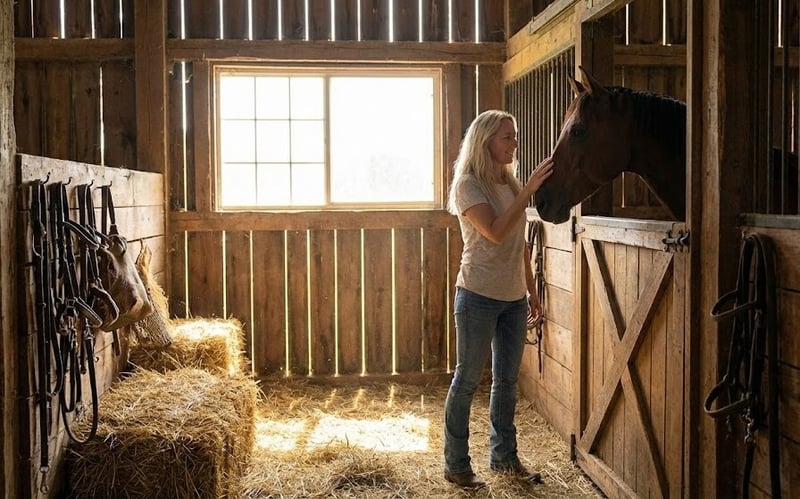 environments where horses can focus on human interactions without environmental distractions. Some trainers create dedicated "bonding spaces" within their facilities—quiet areas specifically designed for relationship-building activities.
Scent plays an underappreciated role in horse-human bonding. Horses have an exceptional sense of smell and form strong associations between specific scents and emotional experiences. Riders who maintain consistent personal scents—avoiding strong perfumes or frequently changing products—help horses develop positive scent-based recognition. Some experienced horsemen even use specific scents during bonding activities to create additional positive associations.
The social environment within the barn significantly impacts individual horse-human relationships. Horses are naturally social animals that take cues from herd dynamics. A calm, positive barn atmosphere where horses observe other horses having positive human interactions encourages similar behaviors. Conversely, high-stress environments where horses witness negative interactions can create generalized anxiety that inhibits bonding with all humans.
**Expert Tip:** Create a "connection ritual" that begins before you even enter your horse's stall or paddock. Start with deep breathing, clear your mind of external stressors, and set a positive intention for your interaction. Horses respond to this energetic preparation before you're even visible to them.
## Advanced Bonding Techniques for Experienced Riders
Experienced equestrians can employ sophisticated techniques to deepen emotional connections with their horses beyond basic trust-building exercises. These advanced methods require significant skill, timing, and emotional intelligence, but can create profound bonds that enhance performance and mutual satisfaction. Liberty work represents one of the most powerful bonding techniques, requiring horses to choose engagement without physical restraints.
Liberty training begins with establishing such strong communication and trust that horses willingly remain connected to their handlers without halters, lead ropes, or 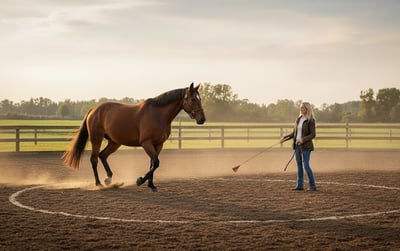physical barriers. This work requires exceptional body language skills, precise timing, and the ability to read subtle equine responses. Successful liberty work demonstrates the ultimate expression of horse-human partnership—voluntary cooperation based on mutual respect and emotional connection rather than physical control.
Synchronized breathing exercises create profound physiological connections between horses and riders. This technique involves consciously matching the horse's respiratory rhythm during quiet moments together, gradually influencing the horse to synchronize with slower, deeper human breathing patterns. Advanced practitioners report that horses begin to automatically synchronize their breathing when their preferred human approaches, indicating deep emotional attunement.
Energy work and emotional mirroring techniques help sensitive riders develop almost telepathic connections with their horses. This involves consciously projecting specific emotional states—confidence, calm, focus—while monitoring the horse's response and adjusting accordingly. 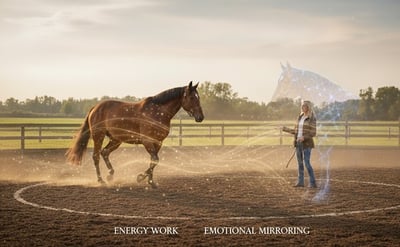Horses naturally mirror the emotional states of their handlers, so riders who master emotional regulation can directly influence their horse's mental and physical state.
Advanced ground work patterns that incorporate elements of play and choice-making strengthen emotional bonds while developing communication skills. These exercises might include teaching horses to follow complex movement patterns, solve simple problems, or engage in structured play activities that stimulate their intelligence while reinforcing the human-horse partnership. The key lies in making these activities enjoyable for the horse rather than merely training exercises.
**Expert Tip:** Practice "emotional contagion" exercises by consciously projecting specific feelings—joy, confidence, curiosity—while observing your horse's behavioral responses. Most horses will mirror positive emotional states within 30-60 seconds of consistent projection.
### Case Study: The Competition Partnership
Olympic dressage rider Klaus Mueller describes his relationship with his horse Maestro as "two minds thinking as one." Their bond developed over five years through daily liberty work sessions, meditation practices performed together, and what Klaus calls "emotional training"—deliberately working through challenging situations while maintaining positive emotional connections. In competition, this deep bond allows them to perform complex movements with minimal visible cues, appearing to communicate through pure intention and energy.
## Recognizing and Nurturing Individual Horse Personalities
Each horse possesses a unique personality that influences how they form and express emotional connections with humans. Successful riders learn to recognize individual personality traits and adapt their bonding approaches accordingly. Some horses are naturally social and eager to connect, while others require more time and patience to develop trust. Understanding these individual differences is crucial for building meaningful relationships rather than forcing horses into predetermined molds.
Extroverted horses typically seek interaction and may become pushy or demanding if their social needs aren't met appropriately. These horses often respond well to varied activities, frequent interaction, and clear boundaries that channel their social energy constructively. Building connections with extroverted horses requires consistent leadership that provides structure for their enthusiasm while rewarding appropriate social behaviors.
Introverted horses prefer quieter, more predictable interactions and may find excessive stimulation overwhelming. These horses often form deeper, more selective bonds but require patience during the initial relationship-building phase. Successful connections with introverted horses develop through consistent, calm presence that respects their need for personal space while gradually building trust through small, positive interactions.
Sensitive horses require particular care in relationship development, as they easily become overwhelmed by environmental stressors or inconsistent human behavior. These horses often form the deepest emotional connections once trust is established, but the bonding process requires exceptional consistency and emotional regulation from their human partners. Sensitive horses serve as mirrors for human emotional states, making them excellent teachers for riders seeking to develop greater self-awareness.
Confident horses may initially seem independent or aloof, but they often form strong partnerships with riders who earn their respect through competent leadership and interesting challenges. These horses appreciate variety in their work and may become bored with repetitive routines. Building connections with confident horses requires demonstrating leadership skills while providing mental stimulation that engages their intelligence.
**Expert Tip:** Spend time observing your horse's behavior with other horses to understand their natural personality. Horses who are leaders in the herd may challenge human authority more, while horses who are followers may need extra encouragement to express themselves.
## Maintaining Long-Term Emotional Connections
Building initial emotional connections with horses is only the beginning; maintaining these relationships over years or decades requires ongoing attention and adaptation to changing circumstances. Long-term horse-human relationships face numerous challenges including aging, health issues, changes in riding goals, and evolving life circumstances that can strain or strengthen emotional bonds depending on how they're managed.
Consistency remains the cornerstone of long-term relationship maintenance, but this doesn't mean rigid routine. Rather, it involves maintaining consistent core values—fairness, respect, kindness—while adapting methods and activities to meet changing needs. Horses that have been with the same rider for many years often develop such deep understanding that subtle communication becomes possible, but this intimacy requires ongoing nurturing through regular, meaningful interactions.
Aging affects both horses and riders, requiring adjustments in how relationships are expressed and maintained. Older horses may need gentler handling and modified activities, while aging riders might need to adapt their physical interactions with their horses. The strongest long-term relationships successfully navigate these changes by focusing on emotional connection rather than specific activities or performance levels.
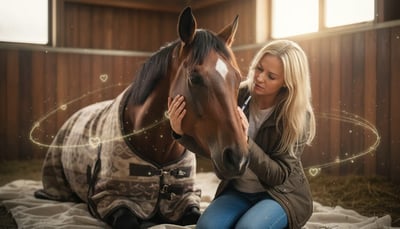Health challenges test the depth of horse-human bonds and often strengthen them when handled with compassion and dedication. Horses that receive careful, patient care during illness or injury often develop even deeper trust and affection for their human partners. These experiences can transform relationships from activity-based partnerships to profound emotional bonds that transcend physical capabilities.
Maintaining variety and mental stimulation prevents long-term relationships from becoming stagnant. Even horses that have been with the same rider for decades benefit from new experiences, challenges, and learning opportunities that keep the relationship dynamic and engaging. This might involve exploring new disciplines, visiting different locations, or simply incorporating novel elements into familiar routines.
**Expert Tip:** Schedule regular "relationship check-ins" with your horse—quiet sessions focused solely on connection without training goals. These maintenance sessions help identify and address small issues before they affect the overall relationship quality.
### Case Study: A Lifetime Partnership
Sarah and her Arabian mare Sahara have been together for eighteen years, from Sahara's three-year-old training through her current retirement at twenty-one. Their relationship has evolved from initial training partnership through competitive success in endurance riding to current gentle trail rides and companionship. Sarah credits their enduring bond to adapting their interactions to meet Sahara's changing needs while maintaining the core elements of trust, respect, and genuine affection that formed their original connection. Today, despite Sahara's arthritis limiting their riding activities, their emotional bond remains as strong as ever, expressed through daily grooming sessions, hand-walking, and quiet moments together in the pasture.
## Conclusion
The emotional connections between horses and riders represent some of the most profound interspecies relationships possible. These bonds transcend simple training partnerships to become genuine friendships built on mutual trust, respect, and understanding. The science behind these connections reveals sophisticated neurobiological mechanisms that enable horses to form lasting emotional attachments with humans despite their natural prey animal instincts.
Successful horse-human emotional connections require patience, consistency, and genuine respect for the horse as an individual. They cannot be forced or rushed but must develop naturally through positive interactions, clear communication, and mutual trust-building. The most rewarding equestrian relationships are those where both horse and human contribute equally to the partnership, each bringing their unique strengths and perspectives to create something greater than either could achieve alone.
As equestrians, our responsibility extends beyond training and riding to encompass the emotional wellbeing of our equine partners. By understanding how horses form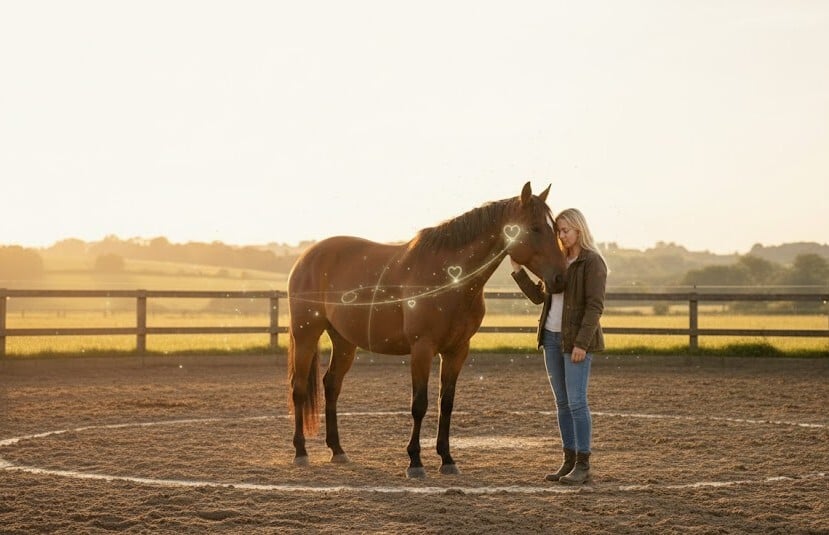 emotional connections and actively working to nurture these bonds, we not only improve our riding experiences but also honor the remarkable trust that horses place in us. These relationships, when properly developed and maintained, can span decades and profoundly enrich the lives of both species involved, creating memories and connections that last long after the final ride.
**Expert Tip:** Remember that every interaction with your horse either builds or diminishes your emotional connection. Approach each encounter with intention, respect, and genuine care for your horse's physical and emotional wellbeing. The strongest bonds are built through thousands of small, positive moments rather than dramatic gestures.
Be sure to share! [facebook-f icon](http://www.facebook.com/share.php?u=https://maneandrein.com/stablethoughts/how-horses-build-emotional-connections-with-their-riders) [twitter icon](https://twitter.com/intent/tweet?url=https://maneandrein.com/stablethoughts/how-horses-build-emotional-connections-with-their-riders) [envelope icon](mailto:?body=https://maneandrein.com/stablethoughts/how-horses-build-emotional-connections-with-their-riders)
## Related posts
[](https://maneandrein.com/stablethoughts/5-ways-your-horse-shows-he-loves-you)
[healing through horses](https://maneandrein.com/stablethoughts/tag/healing-through-horses)
### [5 Ways Your Horse Shows He Loves You](https://maneandrein.com/stablethoughts/5-ways-your-horse-shows-he-loves-you)
[](https://maneandrein.com/stablethoughts/kids-and-horse-care-a-guide-to-responsibilities)
### [Kids and Horse Care: A Guide to Responsibilities](https://maneandrein.com/stablethoughts/kids-and-horse-care-a-guide-to-responsibilities)
[](https://maneandrein.com/stablethoughts/breeds-of-gaited-horses-around-the-world)
[Horse Breeds](https://maneandrein.com/stablethoughts/tag/horse-breeds)
### [Breeds of gaited horses around the world](https://maneandrein.com/stablethoughts/breeds-of-gaited-horses-around-the-world)
[](http://www.maneandreincom)
Stay tuned to the stories, smiles, and soft-strength moments shaping our Midwest horse community. Join the ManeAndRein [newsletter](https://maneandrein.com/contact)for warm weekly wisdom and heartland happenings that keep us connected.
[**sign up today** ](https://maneandrein.com/contact)
[facebook-f icon](https://www.facebook.com/profile.php?id=61575179741874) [twitter icon](https://x.com/ManeAndRein1) [instagram icon](https://www.instagram.com/mane.and.rein/)
**Pages**
[Home](https://maneandrein.com)
[Blog](https://maneandrein.com/blog)
[Contact us](https://maneandrein.com/contact)
Copyright © 2026, ManeAndRein Equestrian LLC
```json
{
"@context" : "https://schema.org",
"@type" : "BlogPosting",
"author" : {
"@type" : "Person",
"name" : "ManeAndRein Equestrian, LLC",
"url" : "https://maneandrein.com/stablethoughts/author/maneandrein-equestrian-llc"
},
"dateModified" : "2025-12-10T01:20:29.256Z",
"datePublished" : "2025-12-10T01:20:29.000Z",
"headline" : "How Horses Build Emotional Connections with Their Riders",
"image" : [ "https://maneandrein.com/hubfs/Horse%20human%20bond%20ManeAndRein.jpg" ],
"mainEntityOfPage" : {
"@id" : "https://maneandrein.com/stablethoughts/how-horses-build-emotional-connections-with-their-riders",
"@type" : "WebPage"
},
"publisher" : {
"@type" : "Organization",
"logo" : {
"@type" : "ImageObject",
"url" : "https://maneandrein.com/hubfs/logo.png-3.png"
},
"name" : "ManeAndRein Equestrian LLC"
}
}
```
```json
{
"@context": "https://schema.org",
"@type": "BlogPosting",
"headline": "How Horses Build Emotional Connections with Their Riders",
"description": "Discover how horses build emotional connections with their riders through trust, communication, and advanced techniques that enhance mutual understanding and bonding.
===
Main Point Summary:
The blog explores how horses develop deep emotional connections with their riders through a combination of neurobiological mechanisms, effective communication patterns, consistent leadership, and advanced bonding techniques, emphasizing the importance of trust, empathy, and mutual respect in the horse-human relationship.",
"image": "https://242579554.fs1.hubspotusercontent-na2.net/hubfs/242579554/Horse%20human%20bond%20ManeAndRein.jpg",
"datePublished": "2025-12-10 01:20:29",
"dateModified": "1765329629262",
"author": {
"@type": "Organization",
"name": "ManeAndRein"
},
"publisher": {
"@type": "Organization",
"name": "ManeAndRein Equestrian LLC",
"logo": {
"@type": "ImageObject",
"url": "https://maneandrein.com/hs-fs/hubfs/logo.png-3.png"
}
}
}
```
```json
{
"@context" : "http://schema.org",
"@type" : "Article",
"headline" : "How Horses Build Emotional Connections with Their Riders",
"image": "https://242579554.fs1.hubspotusercontent-na2.net/hubfs/242579554/Horse%20human%20bond%20ManeAndRein.jpg",
"author": {
"@type": "Person",
"name": ["ManeAndRein Equestrian, LLC"],
"url": "https://maneandrein.com/stablethoughts/author/maneandrein-equestrian-llc"
},
"publisher": {
"@type": "Organization",
"name": "ManeAndRein Equestrian LLC",
"logo": {
"@type": "ImageObject",
"url": "https://242579554.fs1.hubspotusercontent-na2.net/hubfs/242579554/logo.png-3.png"
}
},
"description": "Discover how horses build emotional connections with their riders through trust, communication, and advanced techniques that enhance mutual understanding and bonding.
===
Main Point Summary:
The blog explores how horses develop deep emotional connections with their riders through a combination of neurobiological mechanisms, effective communication patterns, consistent leadership, and advanced bonding techniques, emphasizing the importance of trust, empathy, and mutual respect in the horse-human relationship.",
"datePublished": "2025-12-10T01:20:29+0000",
"url" : "https://maneandrein.com/stablethoughts/how-horses-build-emotional-connections-with-their-riders"
}
```